

Greg Sobiech
Founder & CEO, Delve. On 1 show, 1 appearance. The Shows tab opens the full record on each.
founderexecutivehostLinkedIn ↗delvedeeper.com ↗
Greg Sobiech is the founder and CEO of Delve Deeper, a global performance media agency and analytics consultancy. He previously held digital marketing leadership roles at companies including Bath & Body Works and Digitas, and hosts the podcast Giving Growth.
1shows
1appearances
8statements
0resolved
0supported
0contradicted
Everything Greg Sobiech said on any show that made the record, most notable first. Each card names its show and opens the statement there.
Sobiech: General business advice is terrible because people project their own biases
“Like one of the things I've learned over the last 12 years running my own business is that there's no one, like advice is kind of terrible because people bring in their own bias and they forget to ask and understand like where you are at.”
Sobiech: Every entrepreneur I have met is manic, obsessed, and uncompromising
“I haven't met an entrepreneur who isn't manic and obsessed and uncompromising and just willing to work hard.”
Sobiech: Scaling past 50 employees requires shifting to achieving goals through others
“There is a huge difference between getting to goals and accomplishing things on your own Which is what entrepreneurs have to do. And I don't care if it's, you know, five people or even, I think even 40, 50 people, you're still very much wearing that entreprene…”
Sobiech: Having two people share one organizational role is fundamentally flawed
“Just leaning back on EOS as a framework, it's okay to have one person in several roles. That's permissible. It's not okay to have two people in the same role. That's a, that's terrible.”
Sobiech: Entrepreneurs must balance severe self-criticism with extreme self-confidence
“To be an entrepreneur, you have to be sort of both very critical of yourself and also confident that you can do anything.”
Sobiech: Founders often limit company growth by believing they can do everything
“Often the founder is the limiting factor to growing the company because she thinks that she can do it all.”
Sobiech: Delve has scaled to 140 employees with 20-30% annual growth
“The mindset I had when we were at 40 people versus a mindset I have today at 140, and we're growing at 20, 30% year over year.”
Sobiech: High-performing startup executive teams require a strict division of responsibilities
“It's hard, I think, for entrepreneurs to say, I no longer will be in this seat, because at that point, you actually become dependent or interdependent on someone else to get the job done, and it's scary to let, let that control out of your hands. But the only …”
One line per show, most statements first. The link opens Greg's full record on that show: the calibration, argument clarity, speaking style and every statement made there.
| Show | Role there | Eps | Statements | Record | |
|---|---|---|---|---|---|
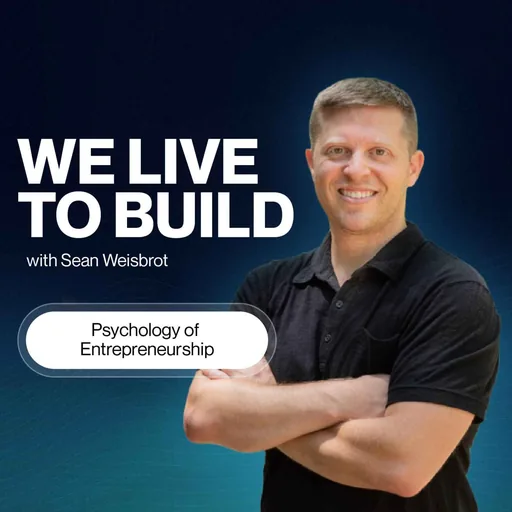 WE LIVE TO BUILDLEDGER WE LIVE TO BUILDLEDGER | Founder & CEO, Delve | 1 | 8 | — | full record on We Live to Build → |