StarZero

Everything you filmed.
Still full of possibility.

Find what happens, what’s said, and how stories connect across your footage. Turn years of material into answers, source moments, and new productions.

Scenes weave into threads.

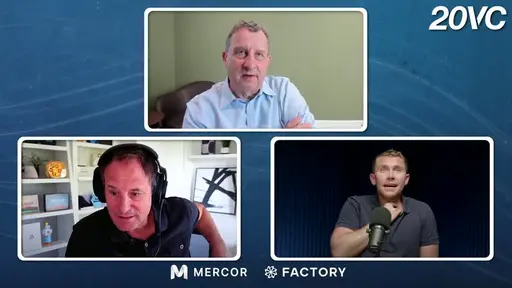
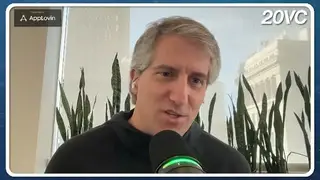
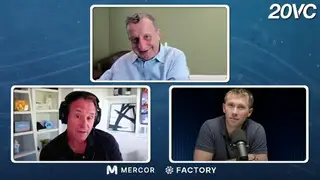
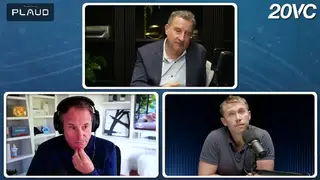
Follow a story from one episode to the next. Instinct runs through all five of these episodes.

Story Atlas20VC5 episodes · 6h 39m
  1. NVIDIA Crushes Quarter
  2. Jensen Huang Declares AGI Has Arrived
  3. Town vs Instinct vs GrokBot
  4. Instinct Raising $1B at $10B
  5. Meta's Muse Hits #1
88 scenes across 5 episodes

Real StarZero output for 5 episodes of the 20VC library. Cross-episode threads and the library summary are composed from it for this preview.

Who talks, and to whom.

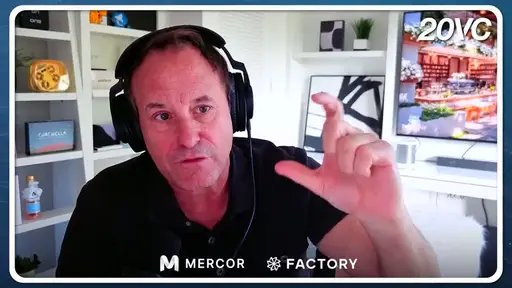
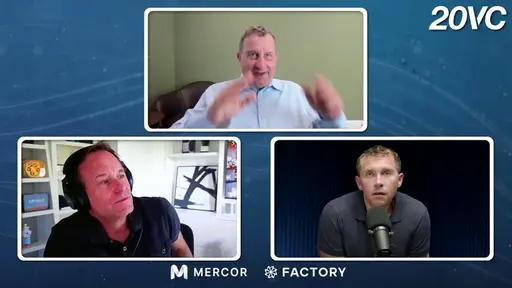
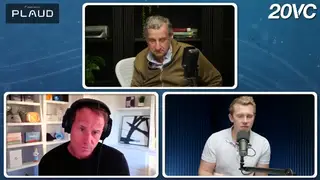
Talk time and exchanges for the host and the panel. Here the host takes the most turns and has the least airtime.

Story Atlas20VC5 episodes · 6h 39m
275200162
Harry
Rory
Jason
Exchanges between speakers
Talk time across 5 episodes Airtime Turns
  • Harry Stebbings Host44 min · 14.4% · 271 turns
  • Rory O'Driscoll Panel143 min · 47% · 262 turns
  • Jason Lemkin Panel117 min · 38.6% · 242 turns

Harry takes the most turns, 271, and has the least airtime, 44 min.

Real StarZero output for 5 episodes of the 20VC library. Cross-episode threads and the library summary are composed from it for this preview.

Find the moment.
Keep its meaning.

StarZero connects different layers of a video so you can move from an overview to the exact material worth using.

What StarZero understandsWhat it helps you do

Short & detailed summaries

Know what a recording covers before you watch it. Read the detailed version when it matters, or ask for an account of one topic.

Narrative threads

Pick a story and see every scene where it comes up, from one episode to the next.

Scenes, shots & cut boundaries

See the shots around an answer, then take one shot or the whole scene, whichever the edit needs.

Transcripts & speaker diarization

Pull any quote with who said it and the timestamp it came from.

Speaker annotation

Read transcripts and moments with real names in place of “Speaker 1”.

Visual content & natural-language search

Find a shot by describing it in plain words. The same search finds what people said and the ideas they discussed.

Character identity in selected workflows

Know which character appears where, in supported character workflows. Tell us about your footage and who you need identified.

Stop restarting
the research.

Return to the same library with a new brief. Find material for a launch recap, an anniversary film, a leadership interview, or a research question that spans many recordings.

Keep important source context in the process. Ask the agents to research a claim, inspect the sources they find, and make an editorial decision before including it in a new piece.

Turn recurring work into a workflow ↗

Plan the first library.

What makes a useful starting brief?

Choose a question your team has already spent time answering, or a production that requires moments from multiple videos. Bring a representative selection of footage and describe the desired output.

Can we use the understanding without making a video?

Yes. Search, summaries, transcripts, scenes, narrative threads, and speaker information are useful outputs themselves. Every plan includes the MCP server and the CLI, so your own tools and agents can search the library too. The REST API is on request: talk to us about API access.

What should we discuss for a large archive?

Source volume and duration, how material arrives, access requirements, the outputs you need, and the systems that consume them. The team can discuss the implementation and commercial fit for that workflow.

See what’s
already in there.